


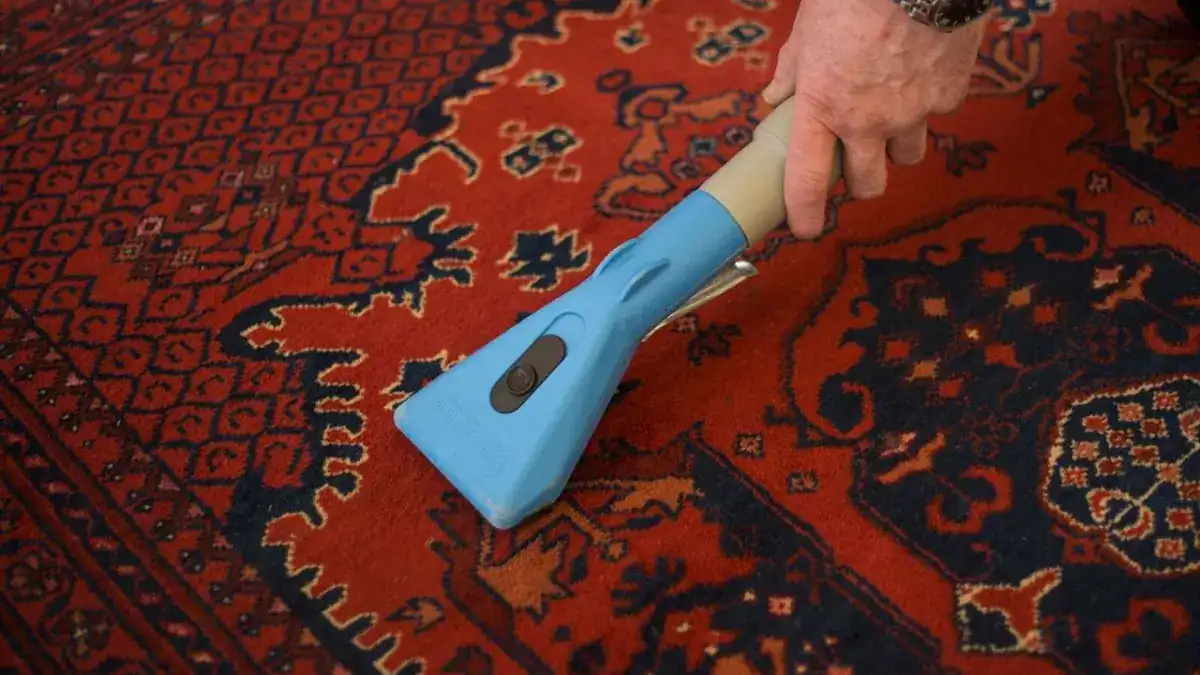
Wool, Persian and antique rugs are often among the most valuable soft furnishings in a home, which is exactly why people hesitate to have them cleaned. The worry is understandable. A rug that has aged beautifully over decades can be damaged by an unsuitable cleaning method.
The good news is that many of these rugs can be professionally cleaned, provided their fibres, construction and condition are properly assessed beforehand. Understanding the risks is an important part of protecting your rug and helping it last longer.
Quick Answer
Yes. Many wool, Persian, Oriental and antique rugs can be professionally cleaned, but the appropriate approach depends on the rug's fibre composition, dyes, construction and condition. Some materials, including viscose, art silk, jute, sisal and coir, are particularly sensitive to moisture and may not be suitable for conventional wet cleaning.
Before arranging any cleaning, it is important to establish what the rug is made from and whether the proposed method is appropriate.
Why Rugs Are Different to Carpets
Fitted carpets generally have a more consistent construction and are designed for cleaning while installed in the property.
Rugs can be considerably more complicated. They may be hand-knotted or machine-woven, coloured with natural or synthetic dyes, backed with cotton, jute or latex, and finished with delicate fringes that behave differently from the main pile.
Older rugs can also have weakened fibres or unstable dyes, making a careful assessment particularly important.
Unlike conventional carpet cleaning, which generally involves cleaning a fitted surface, rugs require additional consideration of their construction, backing and overall condition before deciding whether cleaning is appropriate.
Cleaning Wool Rugs
Wool is a naturally durable fibre that can retain its appearance for many years when properly maintained.
However, wool is sensitive to certain cleaning chemicals, excessive moisture and high temperatures. Unsuitable treatments can cause colour changes, shrinkage or damage to the fibres.
Professional cleaning therefore begins with assessing the rug's construction, condition and suitability for treatment.
Aqua-Dry's technicians are NCCA trained and certified, with experience in professional carpet and upholstery cleaning. When dealing with wool and other sensitive materials, the priority is to establish whether cleaning can be carried out safely and to explain any limitations beforehand.
Cleaning Persian and Oriental Rugs
Persian and Oriental rugs are often made using traditional weaving techniques and may contain wool, cotton, silk or a combination of fibres.
These rugs can be particularly sensitive to moisture, especially where older dyes or delicate foundations are involved.
Potential issues include:
- Colour bleeding between different sections of the rug
- Damage to delicate fringes
- Shrinkage or distortion of the foundation
- Changes to the texture or appearance of the pile
Before any cleaning is considered, the materials and dyes should be assessed for potential risks. Some rugs may require specialist treatment, while others may not be suitable for wet cleaning.
Aqua-Dry was previously recommended by the late Peter Linden, one of Dublin's foremost fine rug experts, for this type of work.
Rugs We Do Not Wet Clean
Not every rug is suitable for conventional wet cleaning, and recognising the limitations of certain materials is important.
At Aqua-Dry, we do not wet clean rugs made from the following materials:
- Viscose
- Art silk
- Bamboo silk
- Banana silk
- Other plant-based silk alternatives
- Jute
- Sisal
- Coir
Viscose is particularly problematic because it can lose strength when wet. Even a relatively small amount of moisture can leave permanent water marks or affect the texture and appearance of the fibres.
Natural plant fibres such as jute, sisal and coir can also be vulnerable to shrinkage, discolouration and water marking.
These materials may require alternative specialist care rather than conventional wet cleaning.
If you are unsure about your rug's composition, checking the manufacturer's label is a sensible first step.
What Information Is Needed Before Cleaning a Rug?
Before discussing whether a rug can be professionally cleaned, it helps to establish a few basic details:
- The approximate length and width of the rug
- The fibre composition, if known
- Whether the rug is hand-knotted or machine-made
- Any existing stains, damage or areas of concern
- The manufacturer's care instructions, where available
The fibre composition may be printed on a label on the underside of the rug.
If the label is missing or unreadable, photographs of the pile and reverse may help with an initial assessment. However, it is not always possible to identify a rug's fibres accurately from photographs alone, and further inspection may be necessary.
You can find more information about the services Aqua-Dry offers on our rug cleaning page.
What Does Professional Rug Cleaning Achieve?
Regular care helps prevent dirt and grit from building up within a rug's fibres.
Dry soil can gradually work its way towards the base of the pile, where movement and foot traffic may cause abrasion and contribute to wear.
Removing accumulated soil, where appropriate for the material, can help maintain a rug's appearance and condition.
Professional cleaning may also improve the appearance of certain marks and areas of soiling, although results depend on the material, age and condition of the rug.
Where suitable, a professional stain protector treatment may help provide additional protection against everyday spills and soiling. Not all rug fibres are suitable for protective treatments, so compatibility should always be checked first.
How Often Should a Rug Be Cleaned?
There is no single cleaning schedule that suits every rug.
The appropriate frequency depends on the material, construction, location and amount of foot traffic it receives.
Rugs in busy living rooms, hallways or homes with pets and young children may accumulate soil more quickly than those in bedrooms or other lightly used areas.
Regular vacuuming, following the manufacturer's care instructions, can help remove surface dirt before it becomes embedded in the pile.
Extra care should be taken around fringes and delicate edges, as aggressive brushing or rotating vacuum attachments can cause damage.
Rug Cleaning FAQs
Will cleaning damage my antique rug?
Antique rugs require particular care because older fibres, dyes and foundations may have become fragile over time. Cleaning is not always suitable, and the safest approach depends on the rug's construction and condition. A specialist assessment is recommended before treatment.
How do I know if my rug is wool or viscose?
Start by checking the manufacturer's label on the underside. Viscose often has a silky feel and distinctive sheen, but appearance alone is not a reliable way to identify fibres.
Photographs of the pile and reverse may help with an initial assessment, although we can only try to identify the material from photographs. Further inspection or testing may be necessary before deciding whether cleaning is appropriate.
Will the colours run?
Some rugs contain dyes that can bleed or transfer when exposed to moisture or cleaning products. Colourfastness testing can help identify potential problems, but the results must be considered alongside the rug's age, construction and condition.
If there is a significant risk of colour bleeding, conventional wet cleaning may not be suitable.
My rug says dry clean only. Can it be cleaned?
A dry-clean-only label indicates that the manufacturer does not recommend conventional wet cleaning. It is important to follow the care instructions and seek specialist advice before considering any alternative treatment.
Some rugs may be suitable for professional dry cleaning or other specialist processes, depending on their materials and construction.
Final Thoughts
Wool, Persian and many other delicate rugs can benefit from professional care, but choosing the correct approach is essential.
The most important factors are the rug's fibre composition, dyes, construction and condition, rather than simply its age or value.
For some rugs, professional cleaning may improve their appearance and help maintain their condition. For others, the safest recommendation may be to avoid wet cleaning altogether.
If you are unsure about a rug or would like advice about the cleaning services available, contact Aqua-Dry on 01-840-0799 or send an enquiry through our contact form.


