


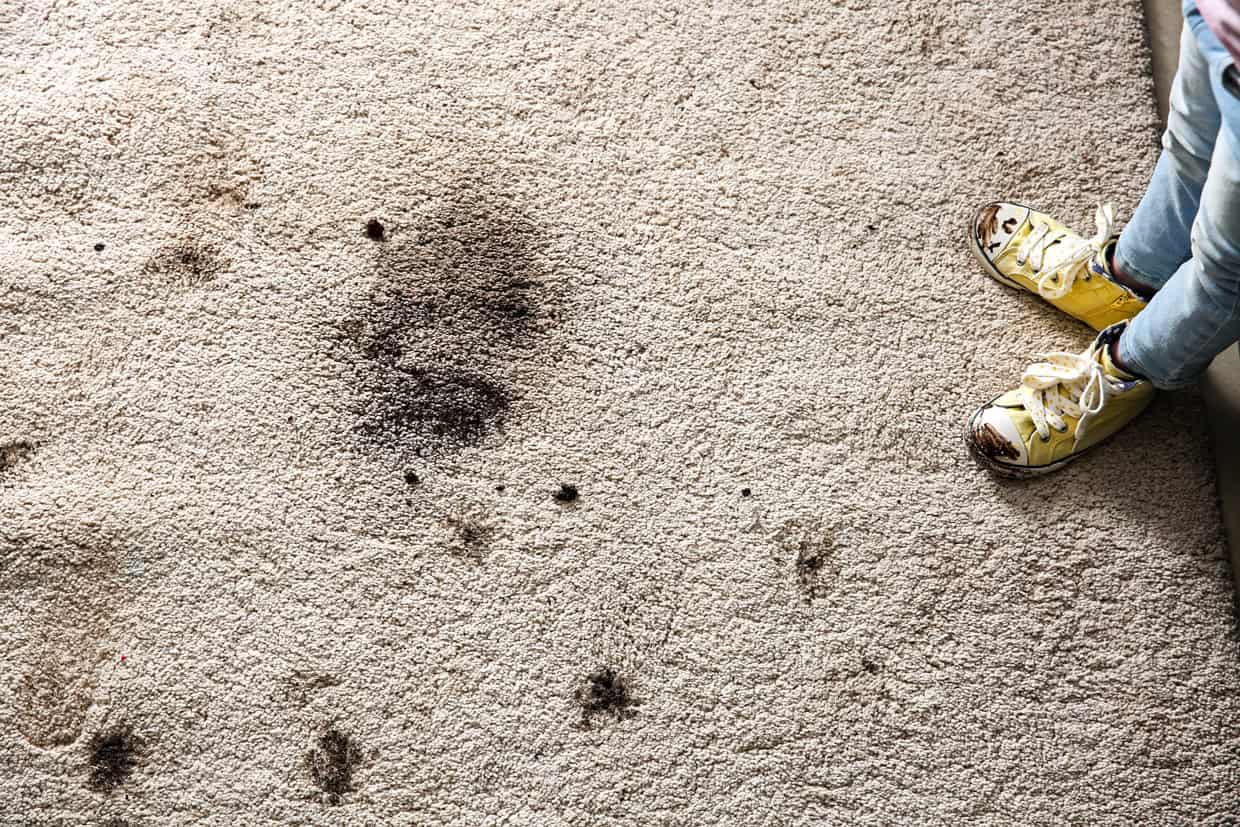
Carpets often look clean on the surface, especially when they are vacuumed regularly. However, many homeowners are surprised to learn how much dirt and debris can actually accumulate deep within carpet fibres over time.
Carpets act like large filters inside the home, trapping dust, soil, pollen, pet hair, and other airborne particles. While this helps prevent these contaminants from circulating through the air, it also means carpets can hold a surprising amount of hidden dirt.
Understanding what happens inside carpet fibres can help explain why professional carpet cleaning plays an important role in maintaining a clean and healthy home.
Why Carpets Trap So Much Dirt
Every day, tiny particles enter the home from a range of sources. Some are brought in from outside on shoes, while others come from normal daily activity indoors.
Common sources of carpet contamination include:
- Soil and dust from outdoors
- Pollen carried in through doors and windows
- Pet hair and pet dander
- Food crumbs and small debris
- Skin cells and fibres from clothing
Once these particles settle into the carpet, they become trapped within the fibres and backing. Unlike hard flooring, where dirt remains visible on the surface, carpets hold these particles below the surface where they are less noticeable.
This is one of the reasons carpets can appear clean even when they contain a significant amount of hidden dirt.
How Dirt Builds Up Over Time
Even with regular vacuuming, carpets gradually accumulate dirt over months and years.
Each time someone walks across a carpet, small particles are pushed deeper into the fibres. Over time this creates layers of contamination that are difficult to remove with standard household cleaning equipment.
High traffic areas such as hallways, stairs, and living rooms tend to accumulate dirt the fastest because they experience the most foot traffic.
These areas may start to appear darker or slightly worn compared to less used parts of the carpet.
Why Vacuuming Alone Is Not Enough
Vacuuming is essential for maintaining carpets, but it mainly removes dirt from the upper layers of the fibres.
Even powerful domestic vacuum cleaners struggle to reach dirt that has settled deep within the carpet pile or backing.
This deep soil can remain trapped in the carpet for long periods of time. Over time, it gradually rises to the surface as the carpet is walked on, which can cause carpets to look dull or discoloured even after regular cleaning.
Professional cleaning methods are designed to remove this deep contamination.
How Dirt Affects the Condition of Carpets
Dirt inside carpets does more than simply affect appearance. It can also contribute to long term wear.
Fine particles of soil act like tiny abrasives. As people walk across the carpet, these particles rub against the fibres, gradually wearing them down.
This can lead to several common problems:
- Flattened carpet pile
- Dull or faded appearance
- Premature wear in high traffic areas
- Reduced softness underfoot
Removing this hidden dirt helps protect carpet fibres and extend the lifespan of the carpet.
Signs Your Carpets May Contain Hidden Dirt
Because dirt often sits below the surface, carpets can appear clean even when they contain significant contamination.
However, certain signs suggest that carpets may need professional cleaning.
These include:
- Carpets looking dull or grey in busy areas
- Traffic lanes becoming visible
- A rough texture underfoot
- Lingering odours in the room
- Carpets feeling less soft than usual
If you notice these changes, it may be time for a professional deep clean.
How Professional Carpet Cleaning Removes Deep Dirt
Professional carpet cleaning equipment is designed to reach deep into the carpet fibres.
One of the most effective methods is hot water extraction, which is widely used by professional carpet cleaners.
During this process, hot water and cleaning solution are injected into the carpet fibres before being extracted with powerful suction. This flushes out dirt, debris, and contaminants that are trapped deep within the carpet.
Professional equipment removes significantly more soil than domestic machines, leaving carpets cleaner and fresher.
You can learn more about the process on the Carpet Cleaning Dublin service page.
The Hygiene Benefits of Deep Carpet Cleaning
Removing hidden dirt from carpets can improve the overall cleanliness of the home.
Professional cleaning helps remove:
- Dust and allergens
- Pet related debris
- Deep soil trapped in fibres
- Odour causing contaminants
Many homeowners notice that rooms feel fresher and cleaner after carpets have been professionally cleaned.
How Often Should Carpets Be Professionally Cleaned?
For most households, professional carpet cleaning is recommended approximately once every 12 months.
However, some homes may benefit from more frequent cleaning.
Homes with pets, children, or high foot traffic often require cleaning every 6 to 9 months to maintain the appearance and hygiene of the carpets.
Regular professional cleaning helps remove deep dirt before it causes long term wear.
Professional Carpet Cleaning Across Dublin
Aqua-Dry provides professional carpet cleaning services throughout Dublin, helping homeowners maintain cleaner, fresher living spaces.
With over 40 years of experience, the team uses professional equipment designed to remove deep dirt and restore carpets to their best condition.
You can view the full list of service locations on the Dublin areas covered page.
If your carpets are due for cleaning, you can request a free quote online.
FAQs
Can carpets really hold a lot of dirt?
Yes. Carpets can trap large amounts of dust, soil, and debris within the fibres. Much of this dirt remains hidden below the surface.
Does vacuuming remove all dirt from carpets?
No. Vacuuming removes surface dirt but cannot fully remove deep contamination trapped within the carpet backing and fibres.
Will professional cleaning make carpets last longer?
Yes. Removing abrasive dirt particles helps protect carpet fibres and reduce long term wear.
How long does professional carpet cleaning take?
Most homes can be cleaned within a few hours depending on the number of rooms and the condition of the carpets.


